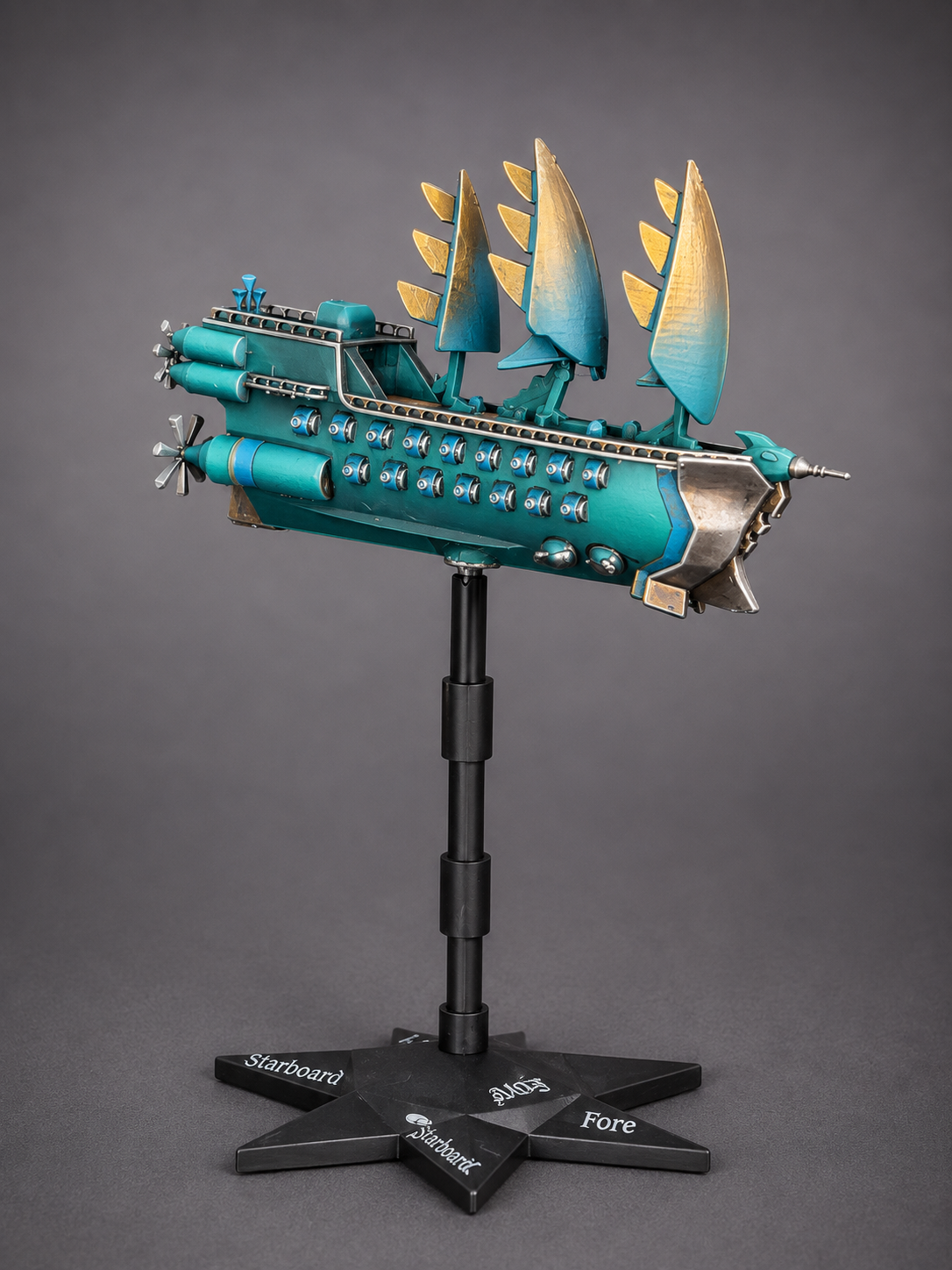
The Austrian Empire
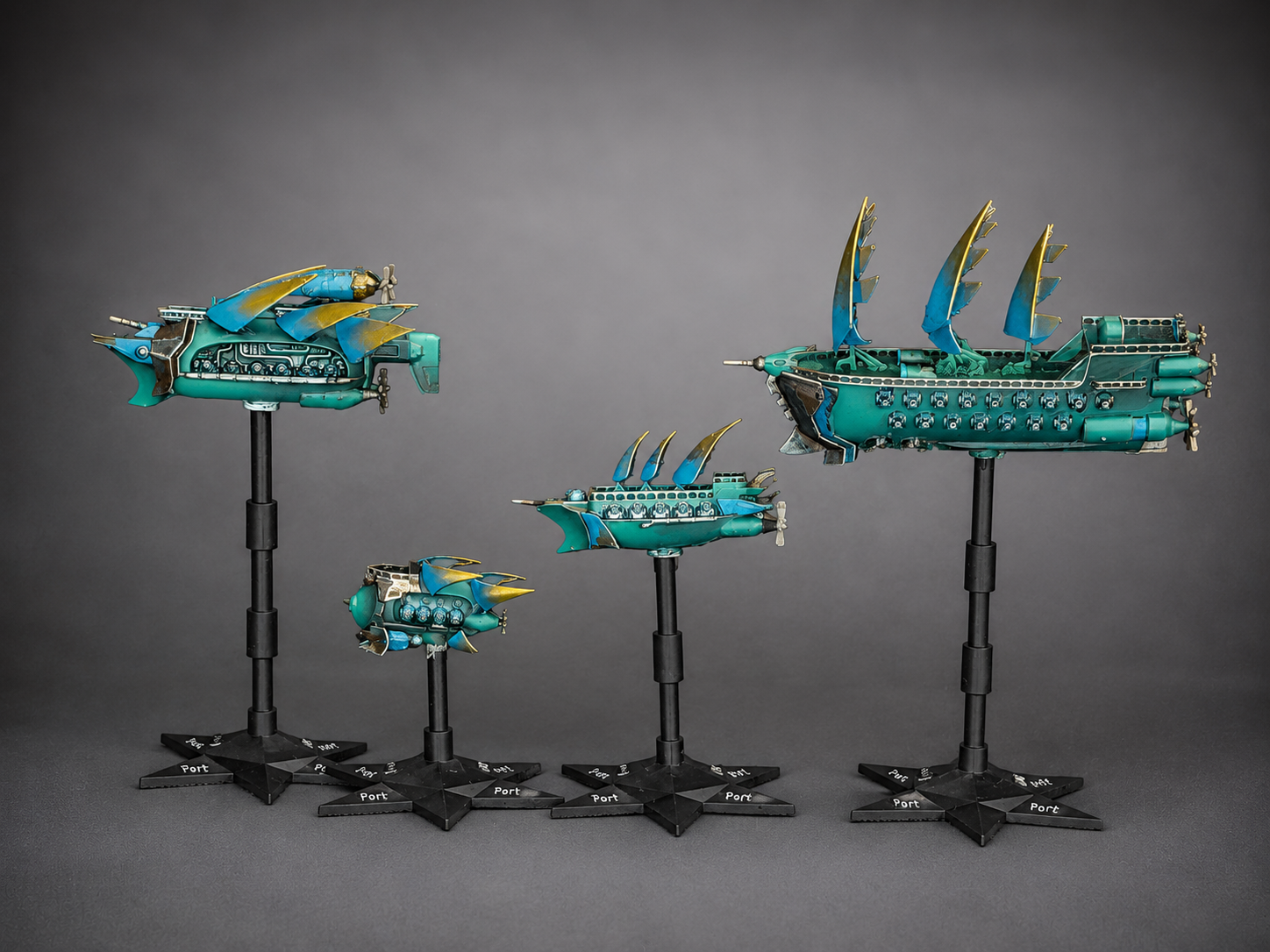
Austrian airships are built to endure. Rather than relying on overwhelming firepower or sudden maneuvers, these hulls are engineered to absorb punishment and keep fighting, with crews trained to repair damage under fire and hold formation through prolonged engagements. Where other fleets seek a quick decisive strike, Austria's ships are built for the long fight, trusting that a well-maintained vessel will outlast a more aggressive opponent.
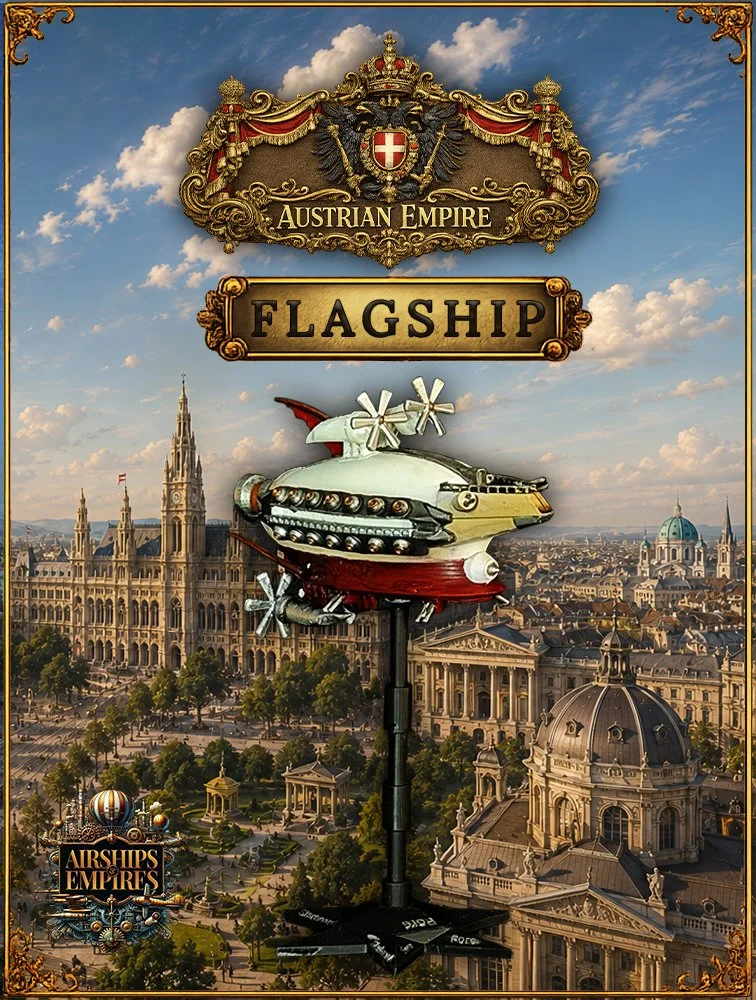
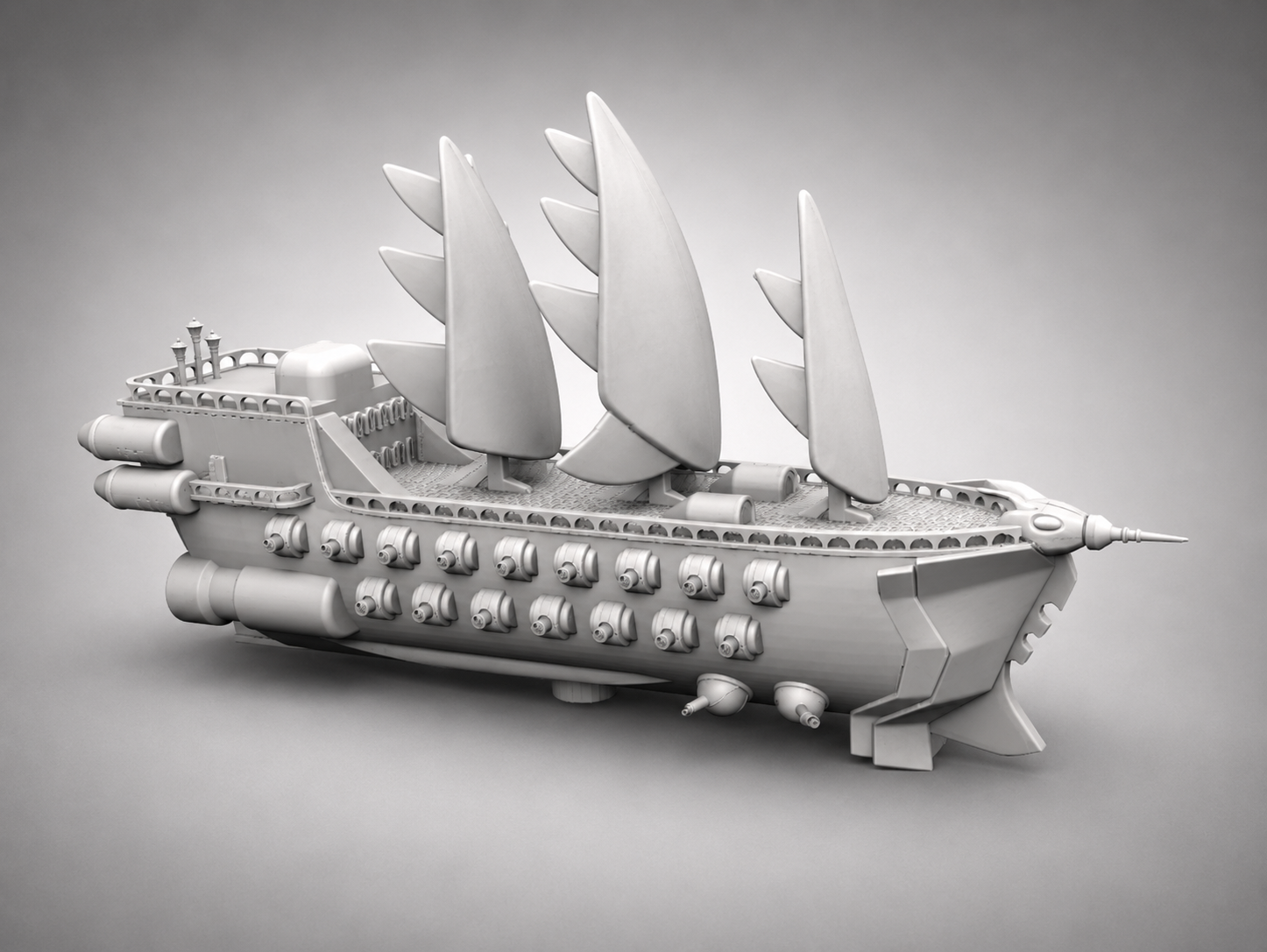
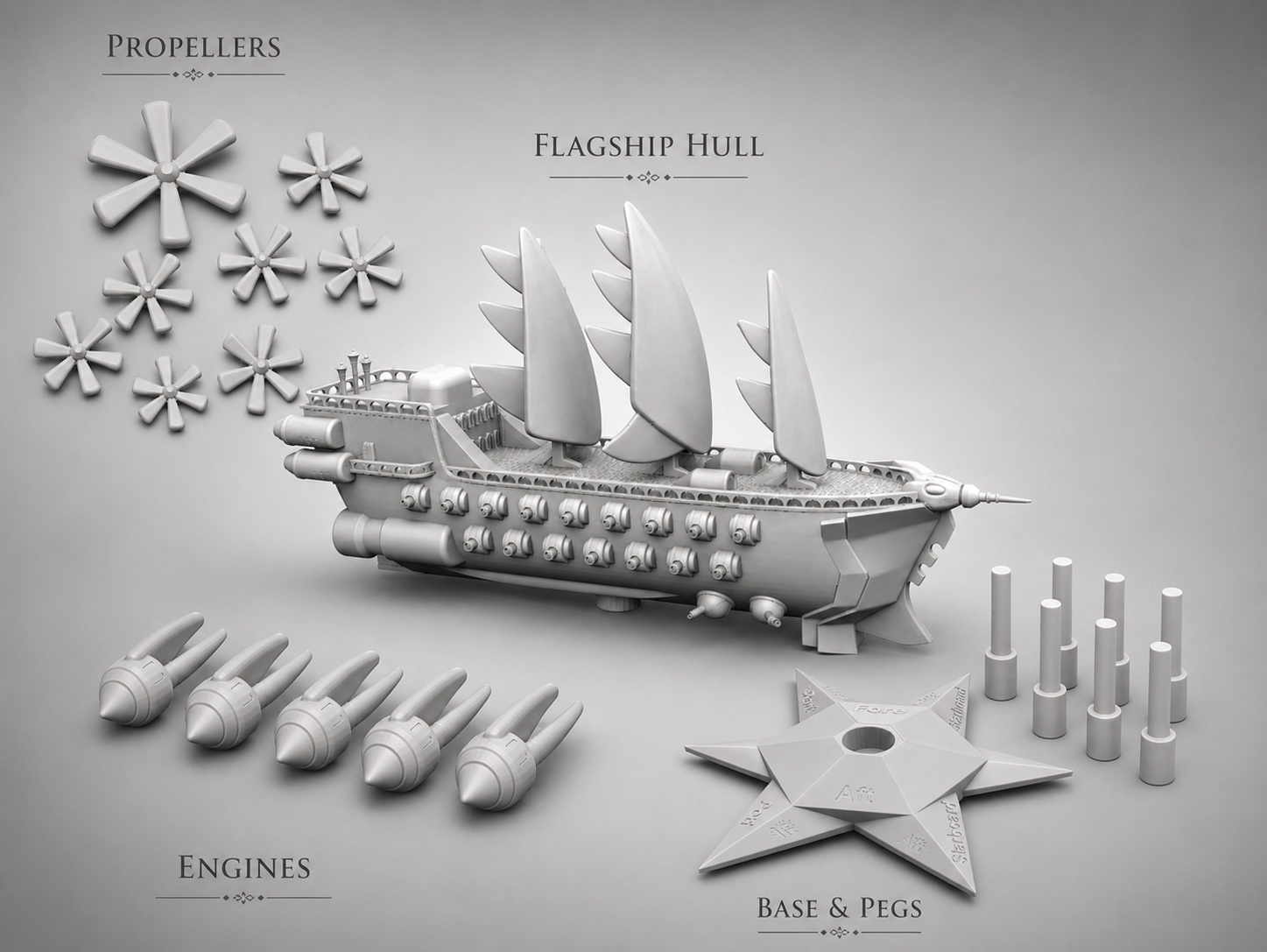
A fortress of the sky, the Austrian Flagship is built to endure, absorbing punishment its crews methodically repair. “Austriae Est Imperare Orbi Universo!”
Designed for Airships & Empires tabletop battles and equally suited for collectors, painters, and display, this durable, high-detail resin miniature kit includes the complete Austrian Empire Flagship (approximately 12 cm in length), display stand, altitude pegs, and all components needed for minor customization if desired. Supplied unpainted.
The British Empire
British air power is measured and confident, advancing through disciplined execution and well-timed orders. Crews operate with drilled precision, correcting errors quickly and tightening their fire when an opening appears, and formations hold their structure under pressure. Small advantages are noticed, repeated, and built upon until they shift the course of the engagement.
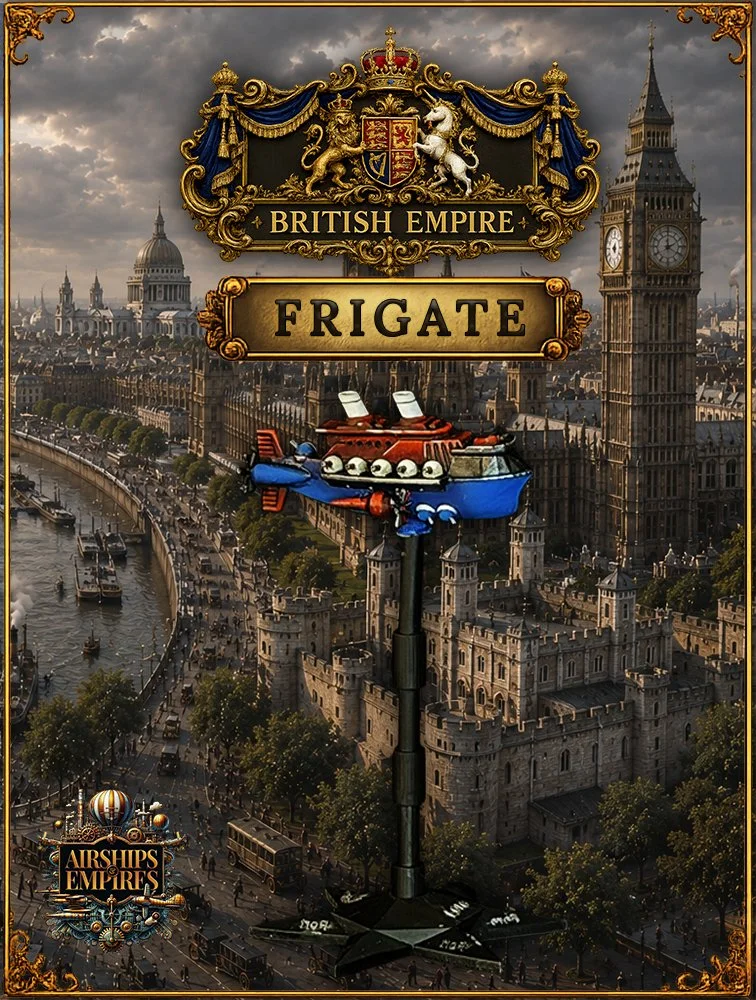
A disciplined mid-weight hull, the British Frigate holds its formation and refines its aim with every exchange, turning small advantages into a decisive edge.
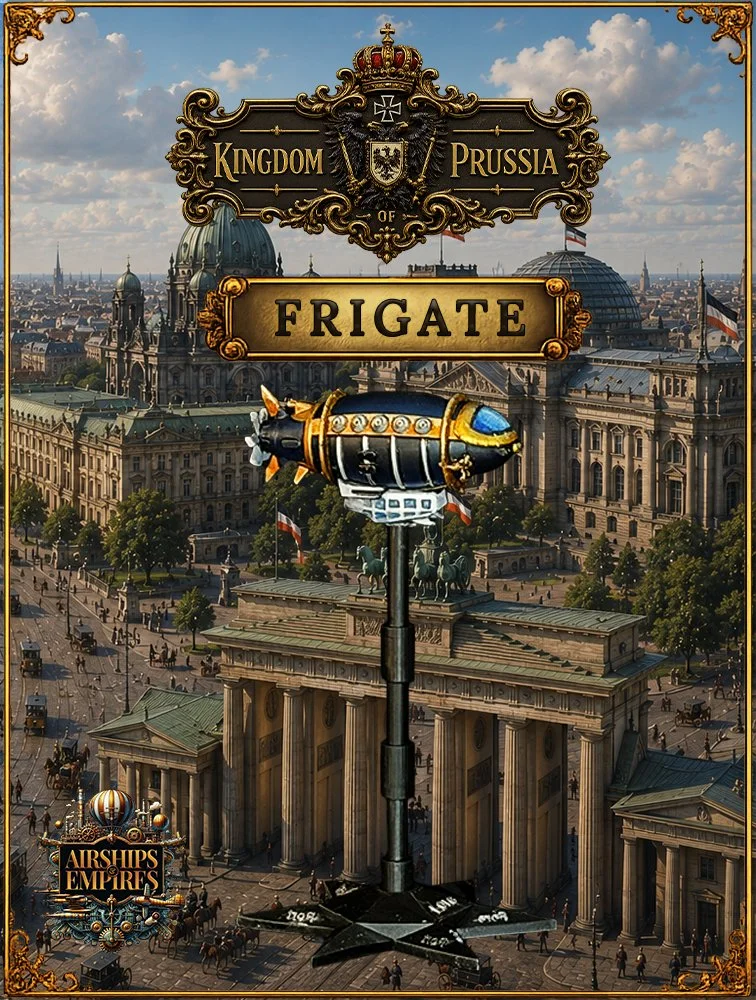
A steady mid-weight hull, the Prussian Frigate can redirect its already-committed effort mid-turn, catching opponents who assumed its course was set.
The Pirate Syndicate
The Pirate Syndicate does not fight for territory or doctrine. Pirate captains thrive on disruption, speed, and the ability to act when others hesitate. Where imperial fleets rely on planning and structure, pirates rely on timing, instinct, and an intimate understanding of chaos in the skies. Ships are modified for speed, boarding capability, and rapid cargo transfer, armor may be uneven, weapons may be unconventional, and every system supports interception and escape.
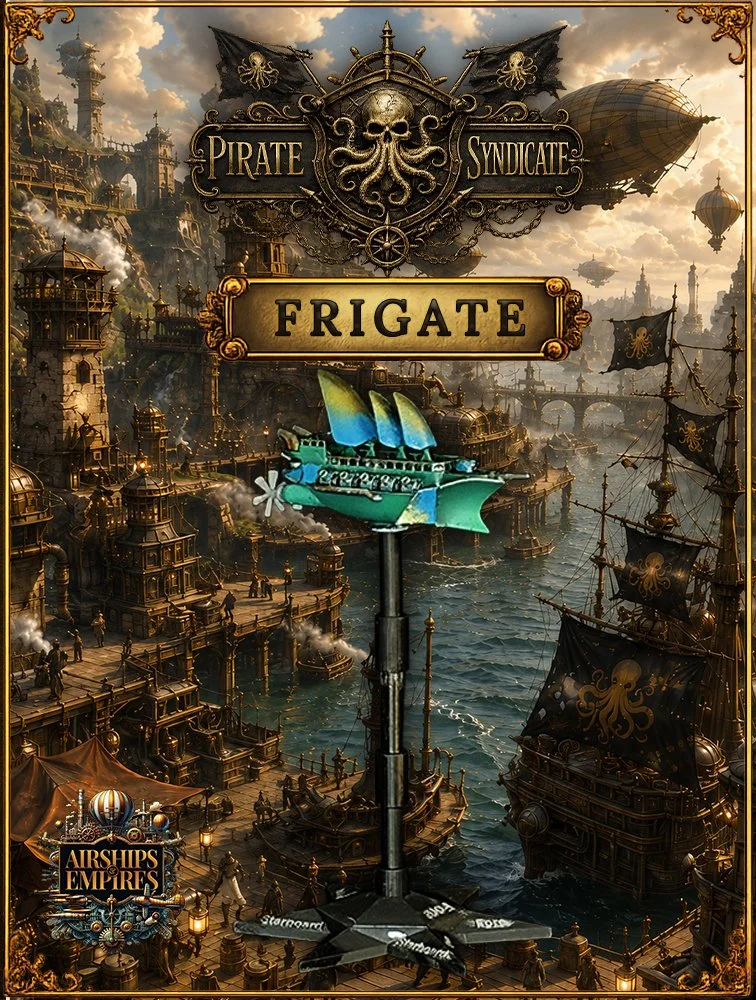
A fast, opportunistic hull, the Pirate Frigate strikes when others hesitate, bending the flow of battle to its own profit before the moment ever slips away.
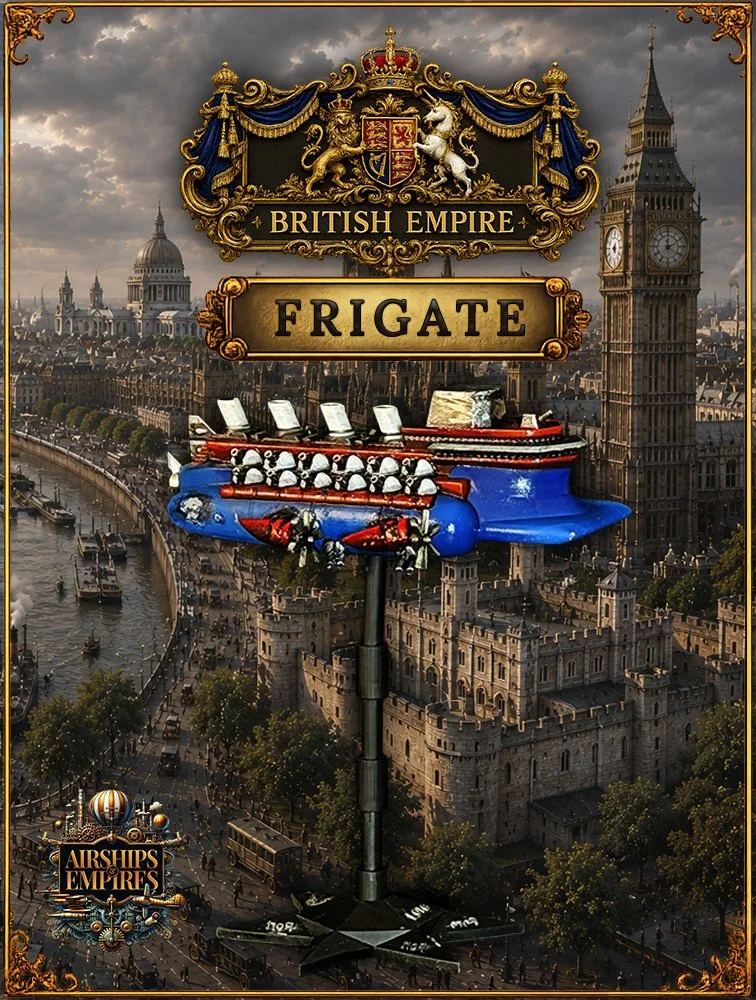
The centerpiece of any Royal Air Fleet, the British Flagship is a massive and imposing vessel built to dominate the battlefield from the moment it takes the table.
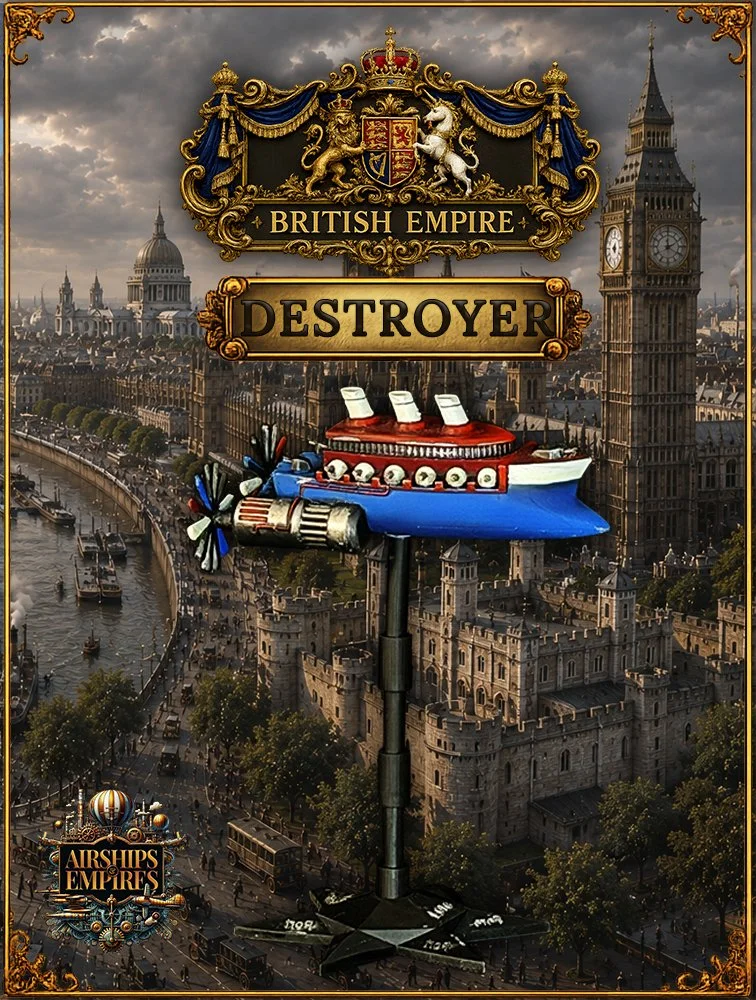
A powerful hull in its own right, the British Destroyer carries the weight to stand in the line and the discipline to make every shot count.
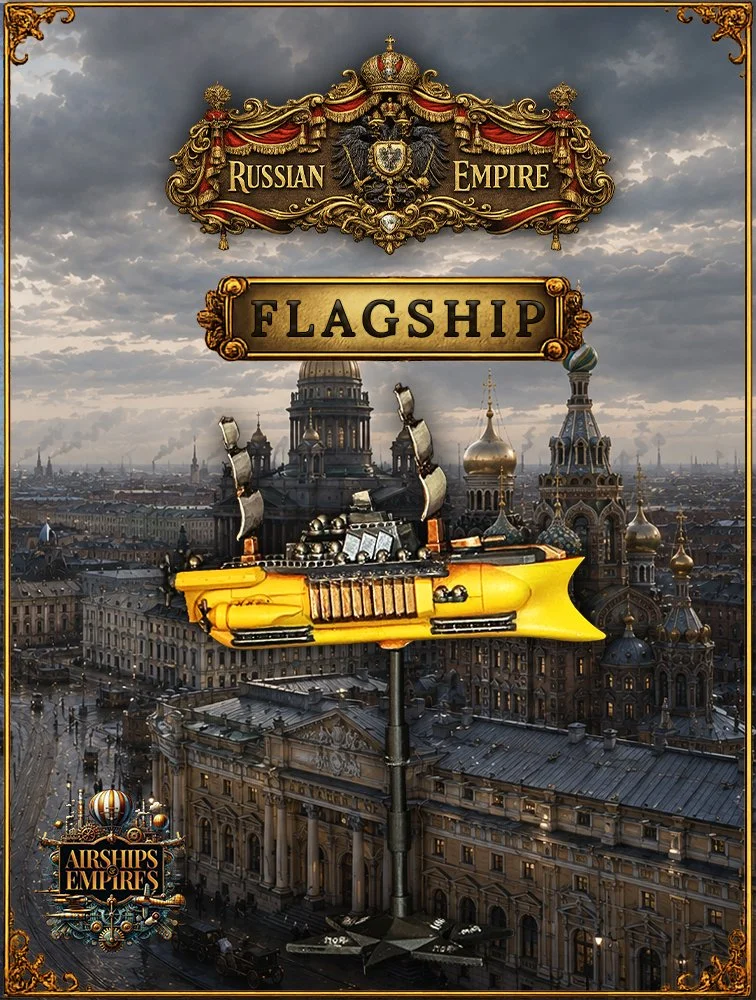
An unyielding hull at the center of the fleet, the Russian Flagship absorbs the heaviest blows and holds position, its endurance outlasting whatever the enemy throws at it.
The Kingdom of Prussia
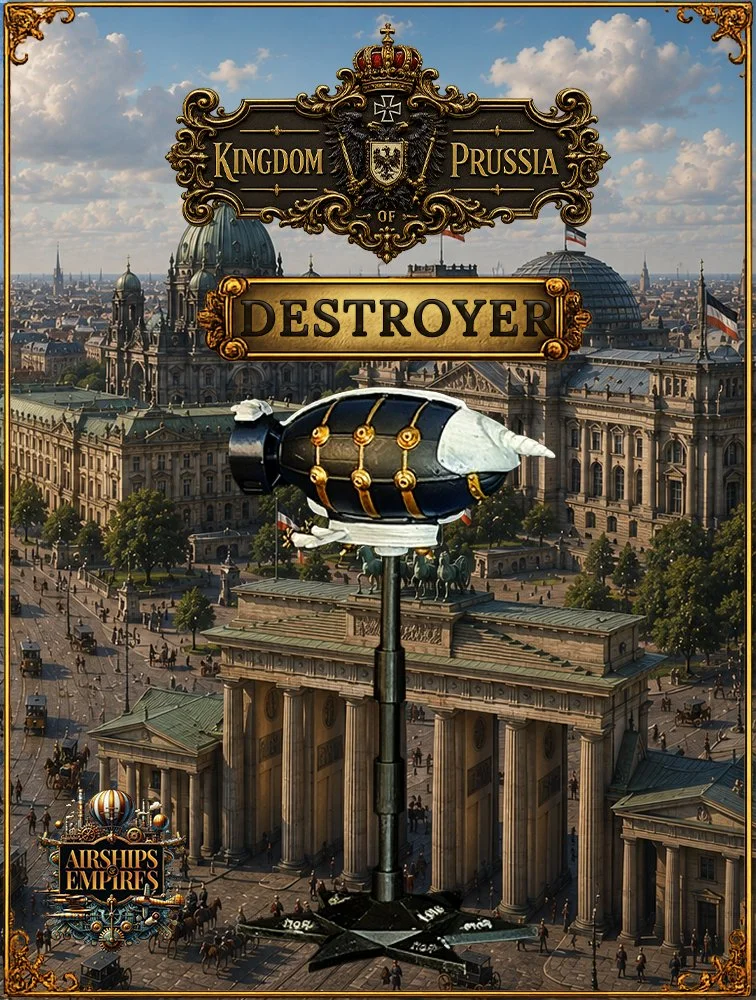
A powerful, adaptable hull, the Prussian Destroyer reshapes its effort as the fight develops, striking hardest at the moment it matters most.
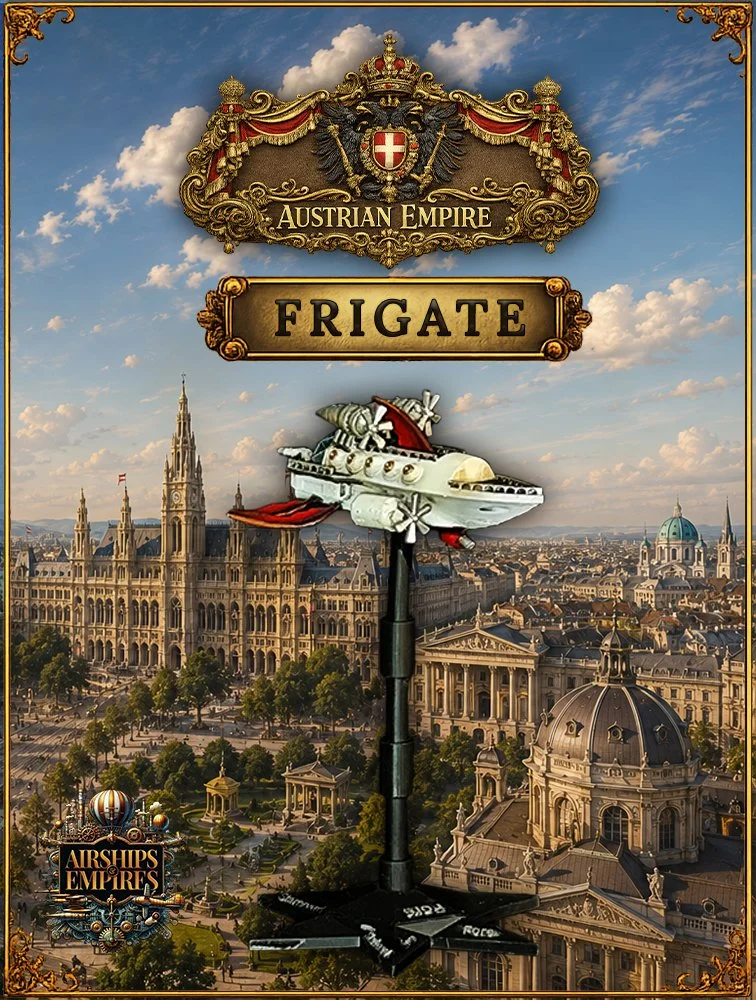
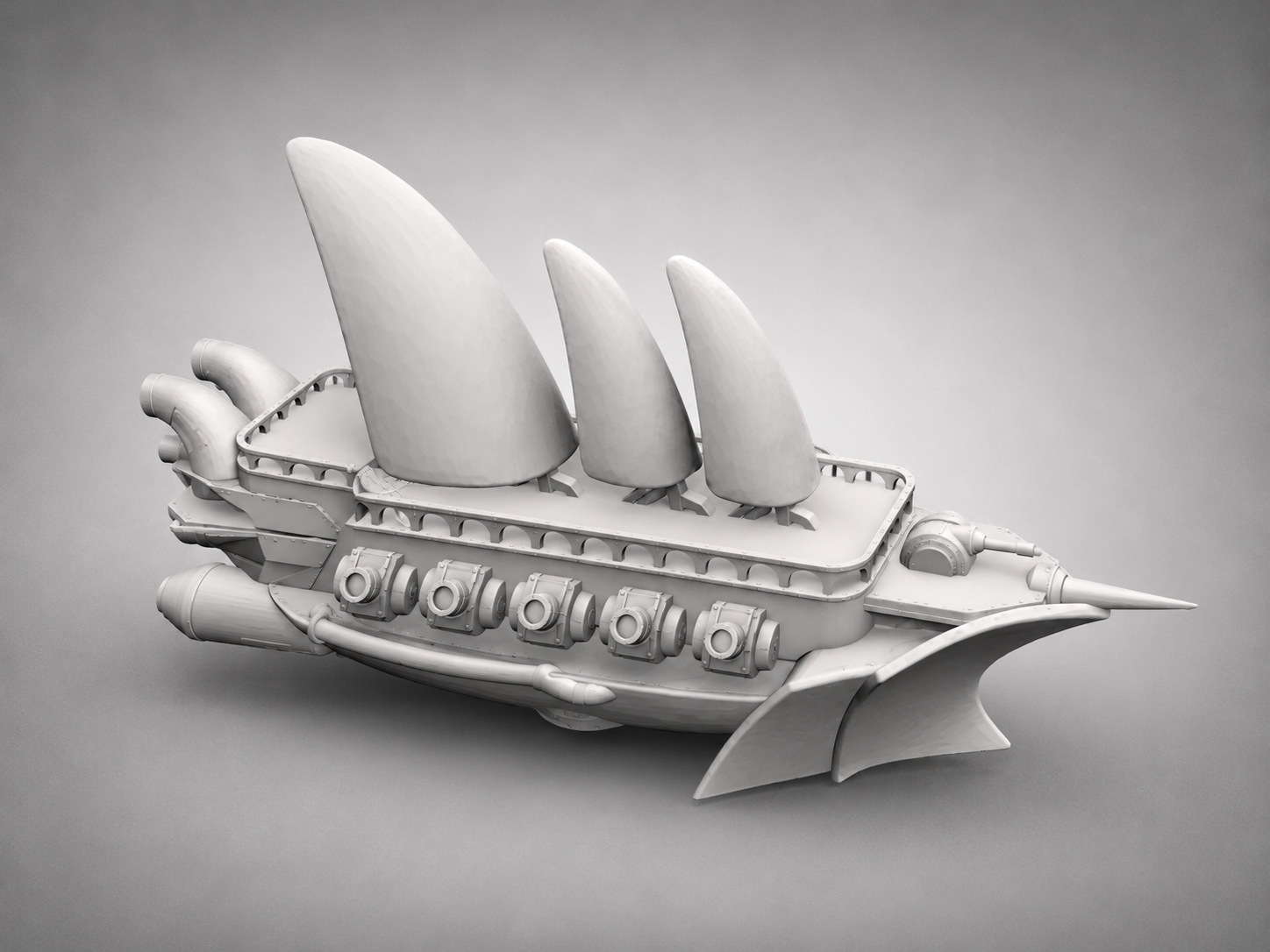
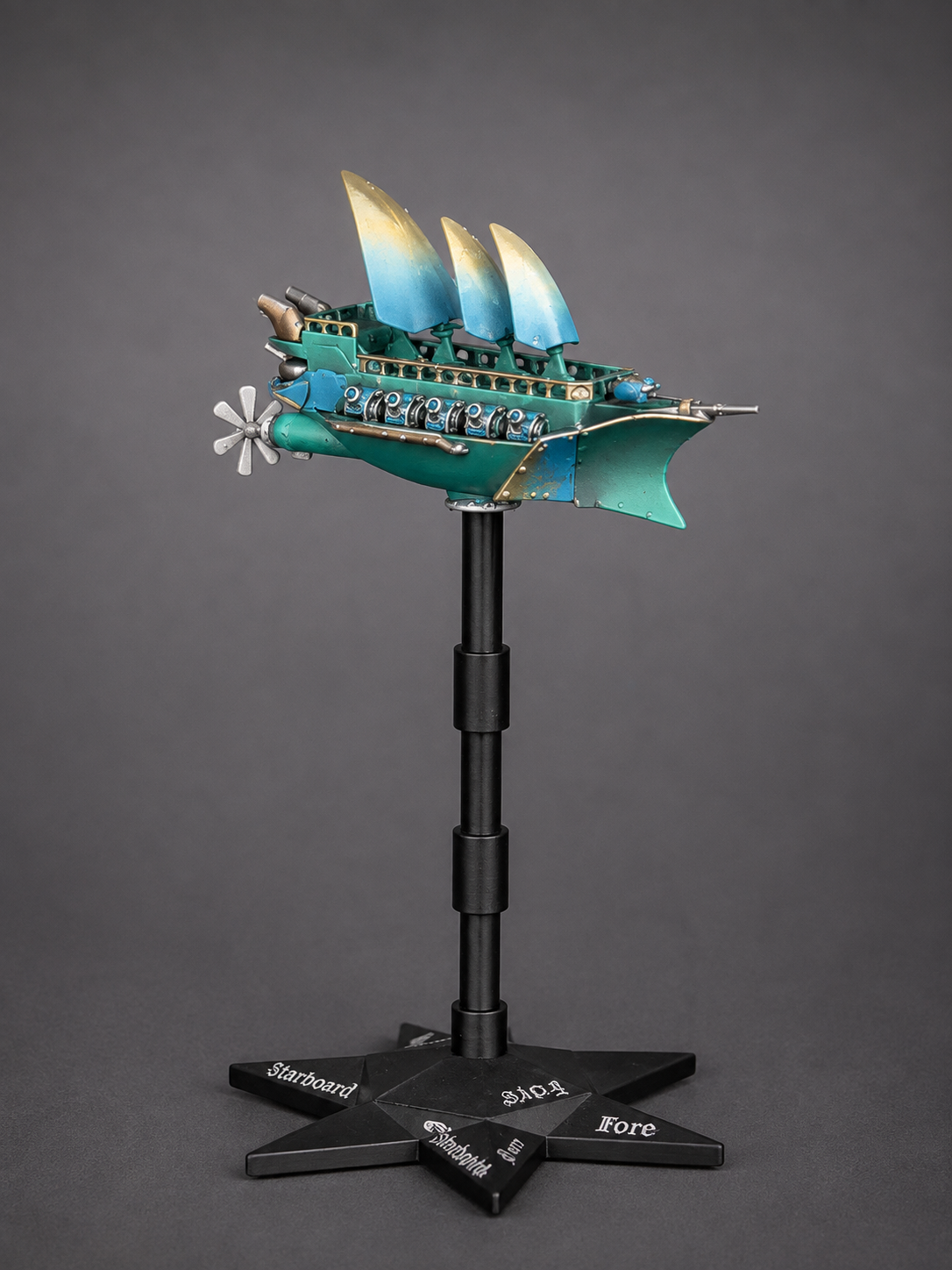
A steady mid-weight hull, the Austrian Frigate absorbs punishment without flinching, its crew repairing systems under fire to keep fighting long after others fall back.
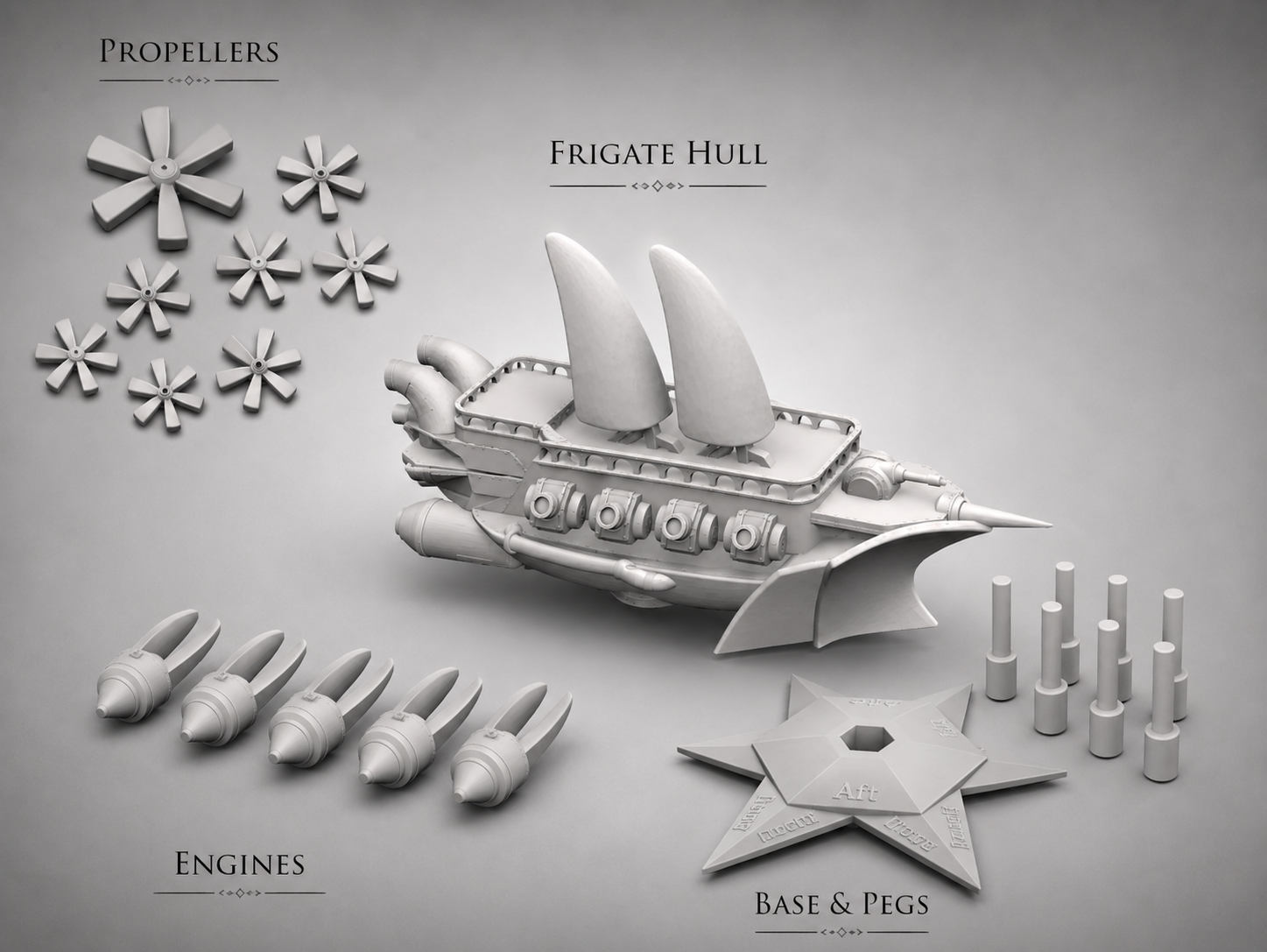
Designed for Airships & Empires tabletop battles and equally suited for collectors, painters, and display, this durable, high-detail resin miniature kit includes the complete Austrian Empire Frigate (approximately 8 cm in length), display stand, altitude pegs, and all components needed for minor customization if desired. Supplied unpainted.
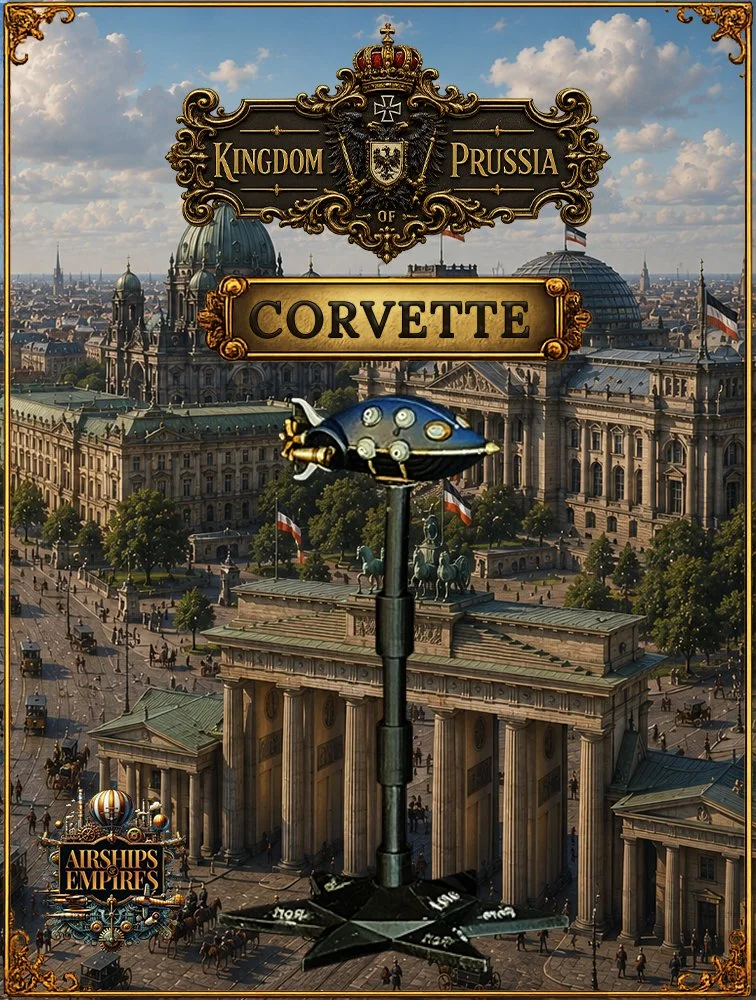
A quick, disciplined hull, the Prussian Corvette can redirect its already-committed effort mid-turn, adjusting on the fly to wherever the battle calls next.
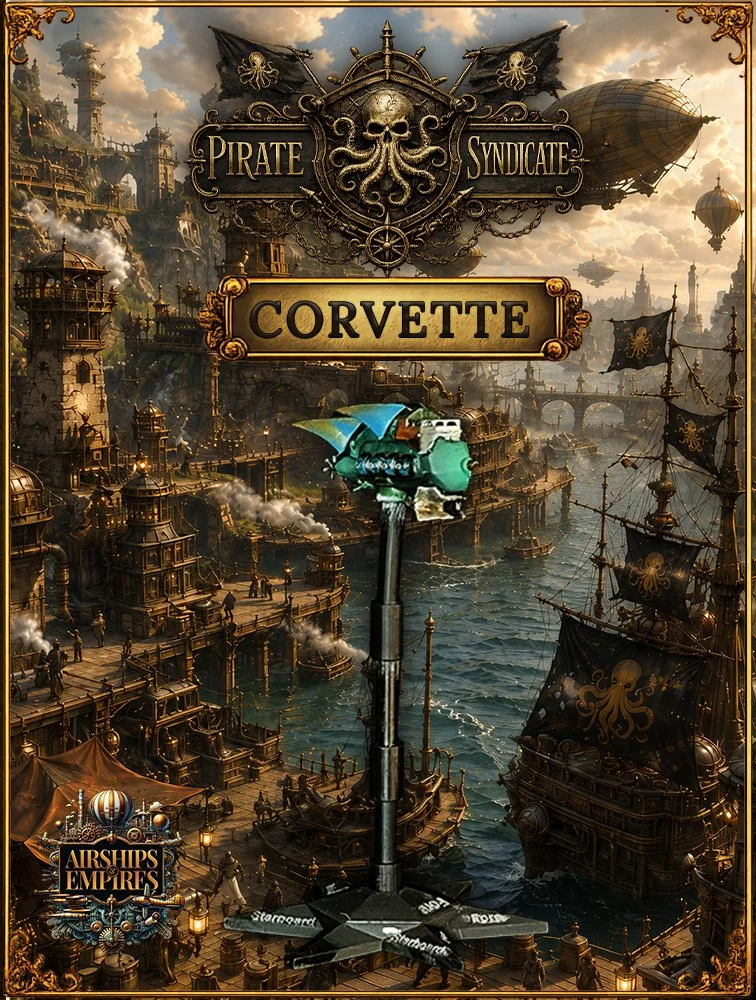
A quick, unpredictable hull, the Pirate Corvette darts through the chaos it creates, gone before the enemy can even react to what just happened.
The Russian Empire
The Russian Empire wages aerial war through endurance and the ability to withstand punishment. Russian airships are built to take hits and continue operating, when struck, they do not crumble at the first breach. Damage that would cripple other fleets is absorbed and endured, with commanders expecting incoming fire and preparing for it, reinforcing hulls and holding formation under pressure. A heavy strike may land, yet the ship remains in the fight, and even when a blow should break momentum, the fleet holds.
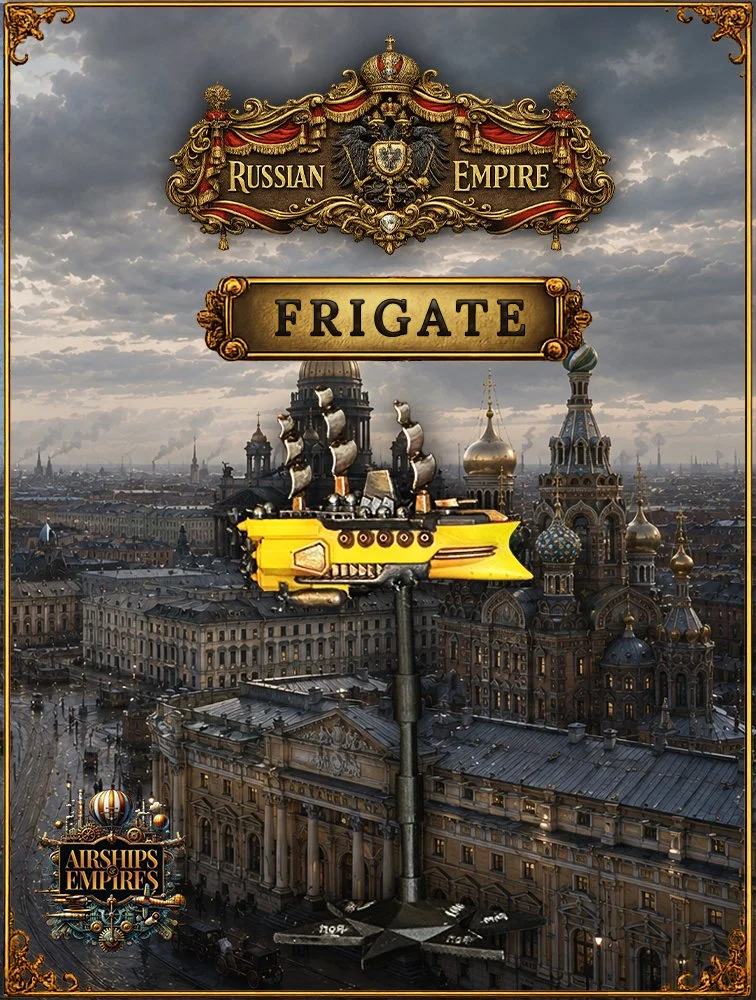
A steady mid-weight hull, the Russian Frigate holds formation under fire, absorbing damage that would scatter a lighter fleet.
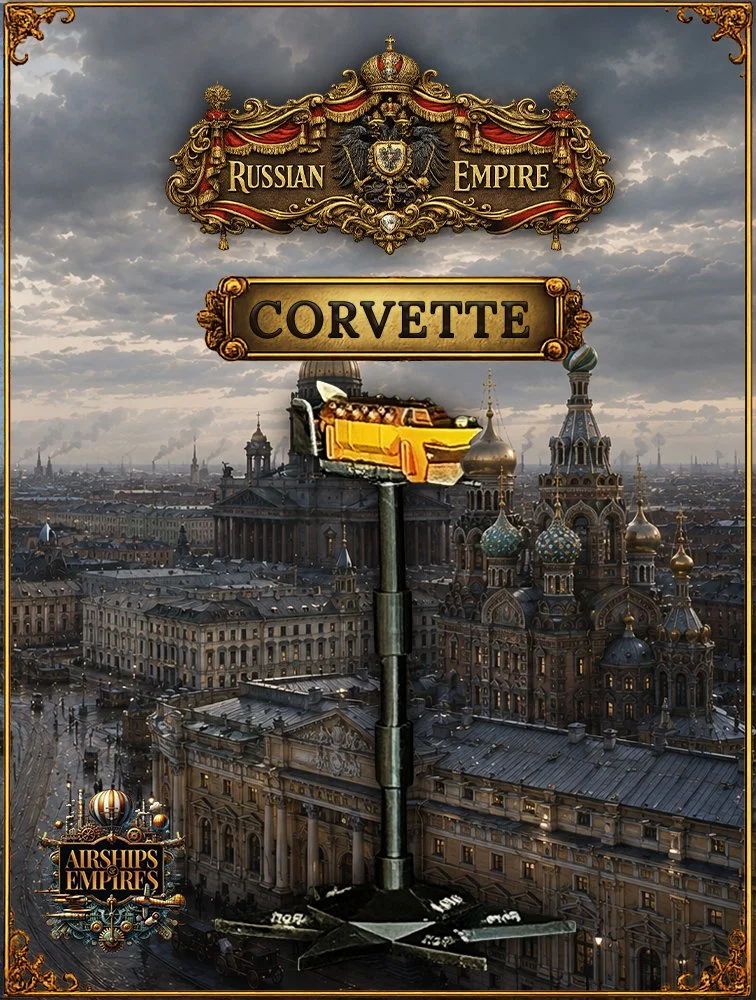
A tough little hull, the Russian Corvette shrugs off hits it has no business surviving, staying in the fight through sheer endurance.
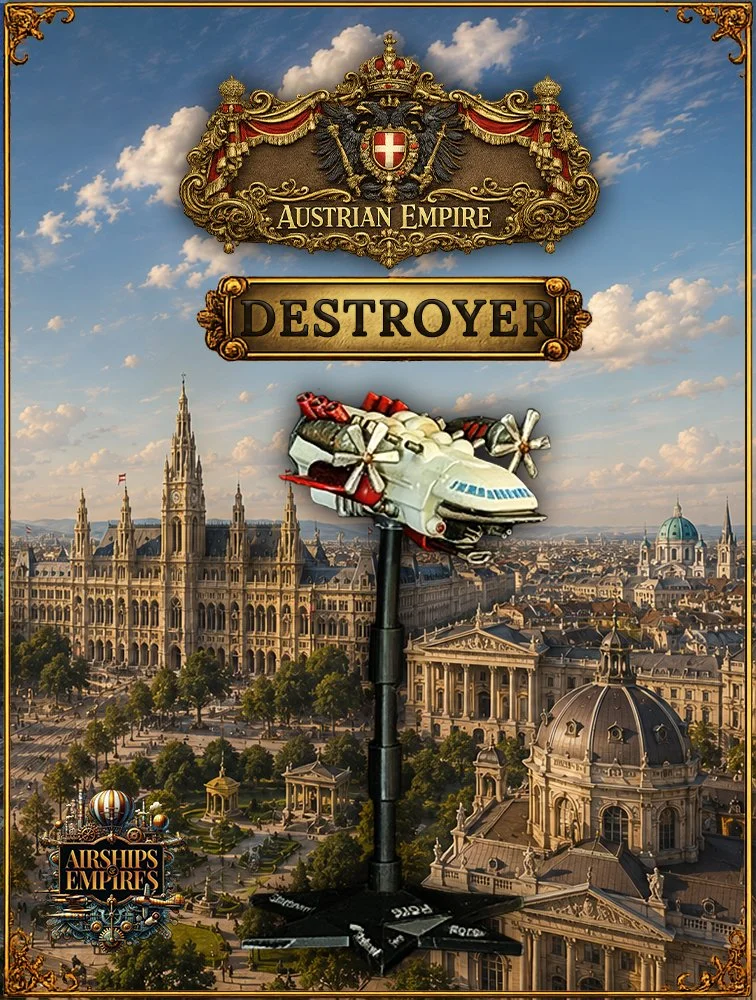
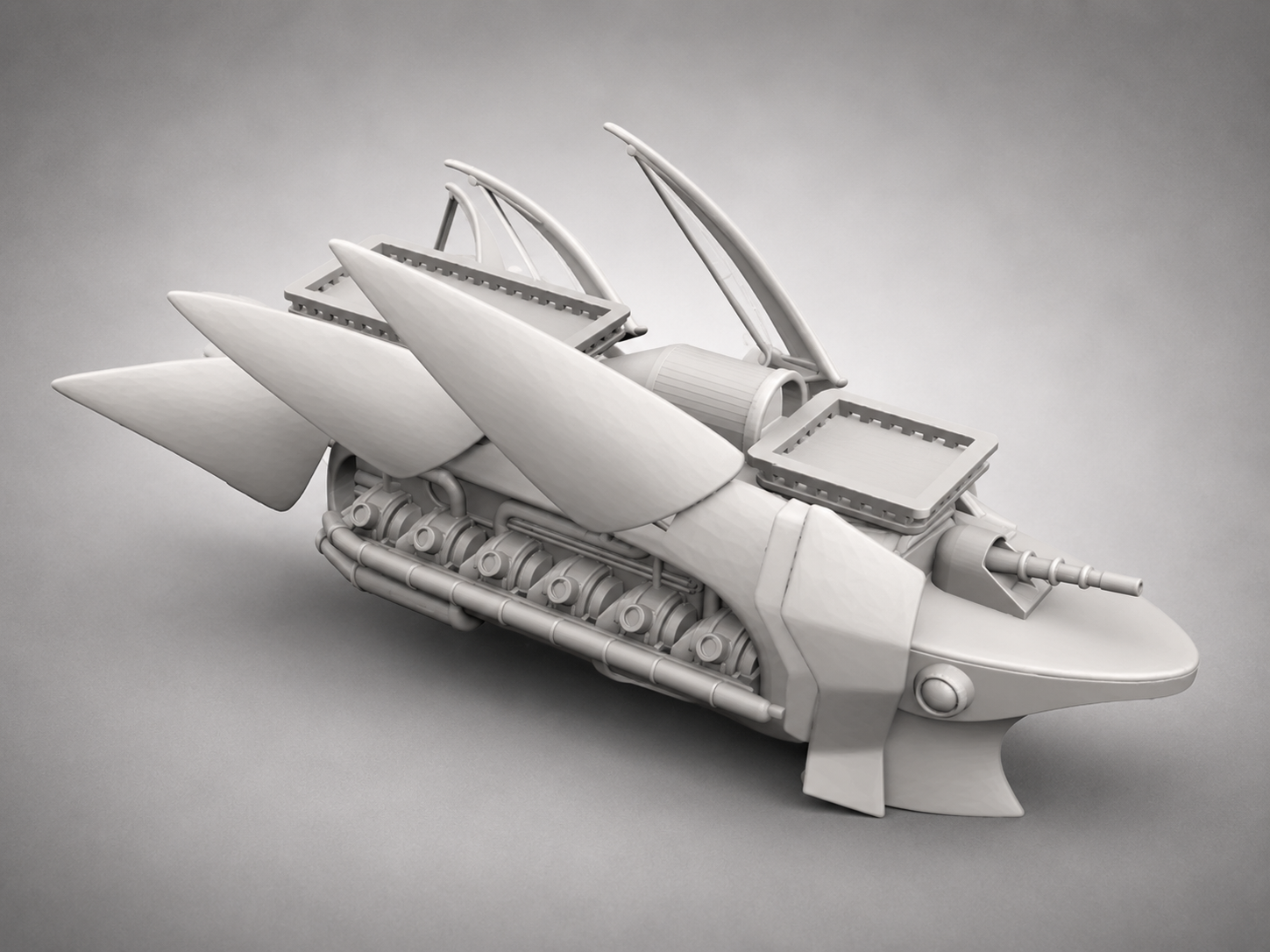
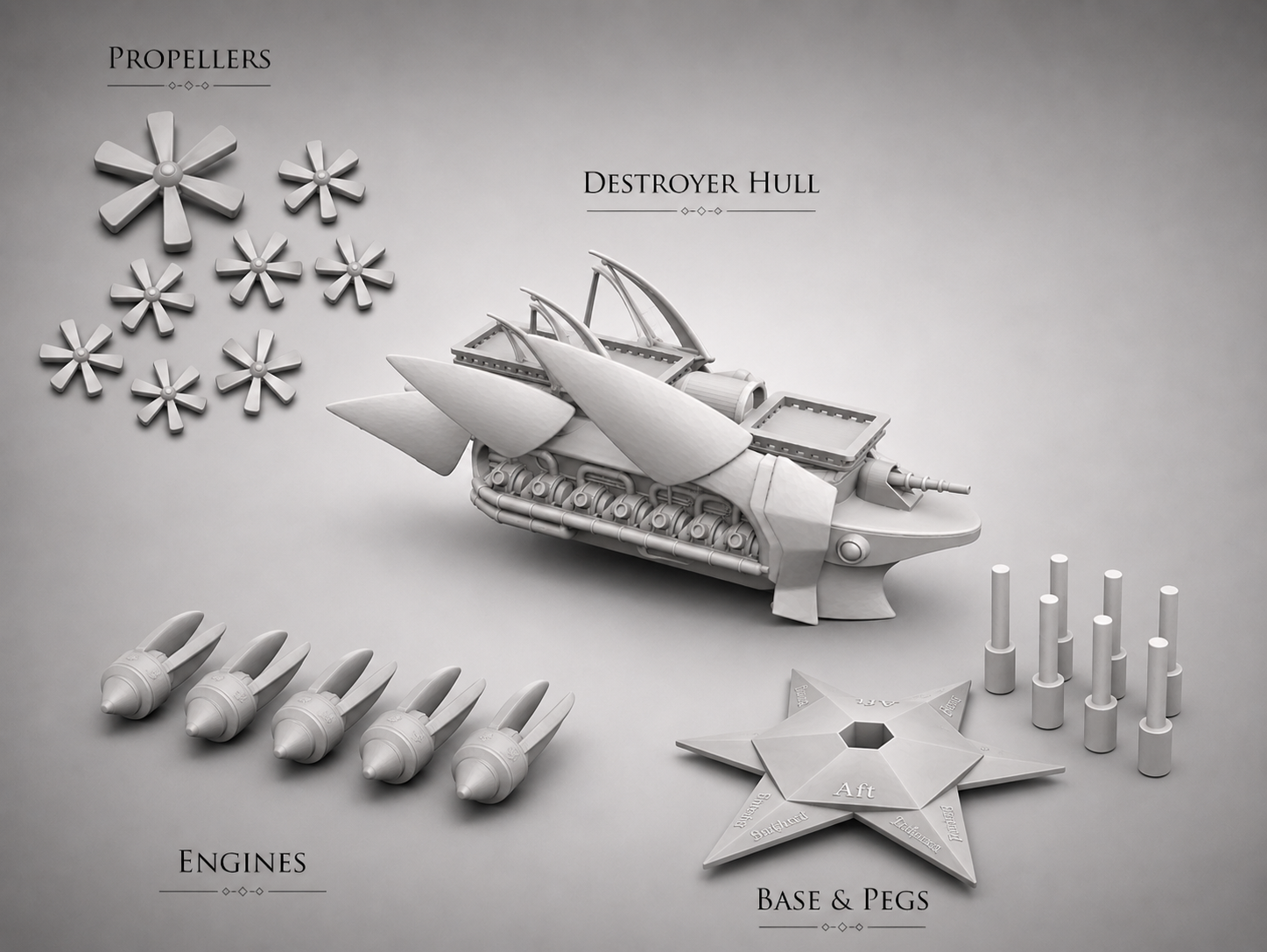
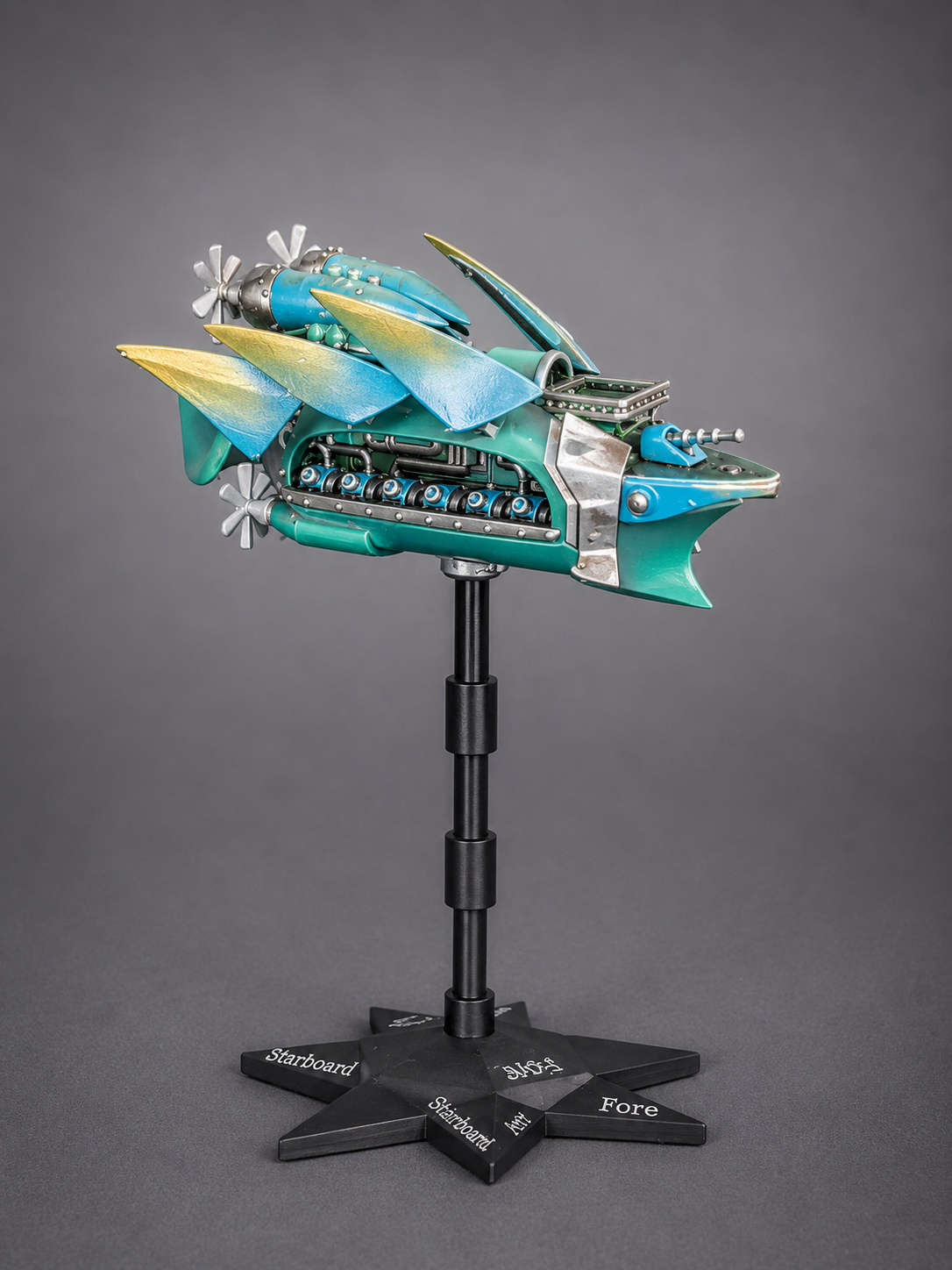
A resilient hull built for the long fight, the Austrian Destroyer trusts careful engineering and steady repair to outlast opponents who strike hard and burn out first.
Designed for Airships & Empires tabletop battles and equally suited for collectors, painters, and display, this durable, high-detail resin miniature kit includes the complete Austrian Empire Destroyer (approximately 9 cm in length), display stand, altitude pegs, and all components needed for minor customization if desired. Supplied unpainted.
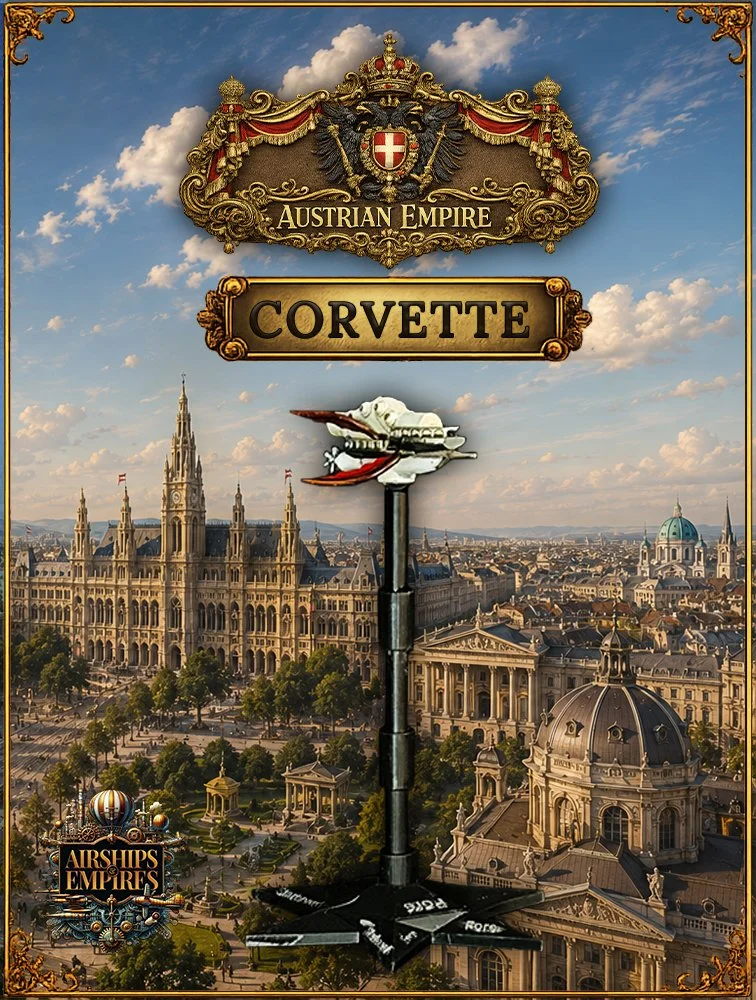
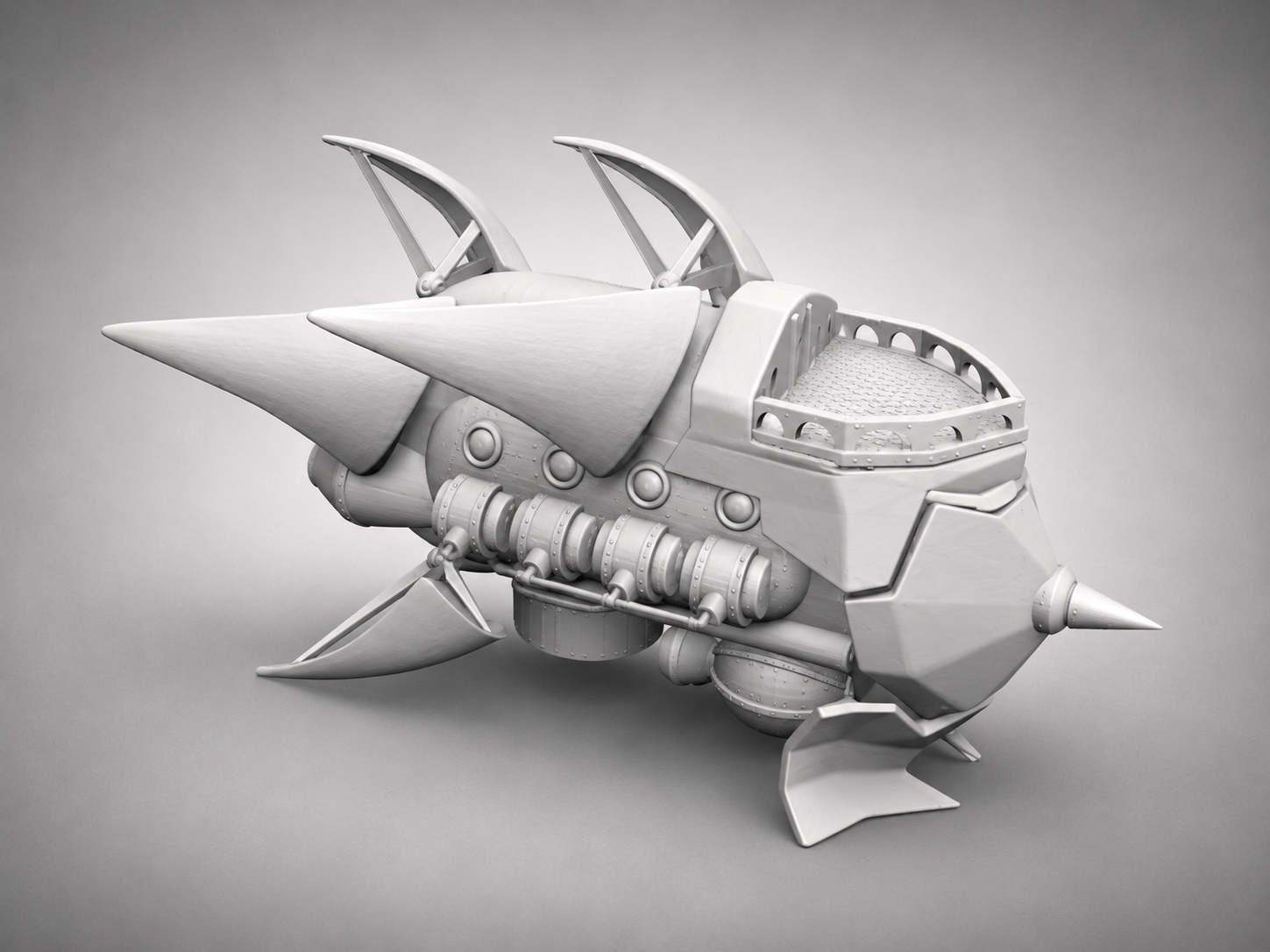
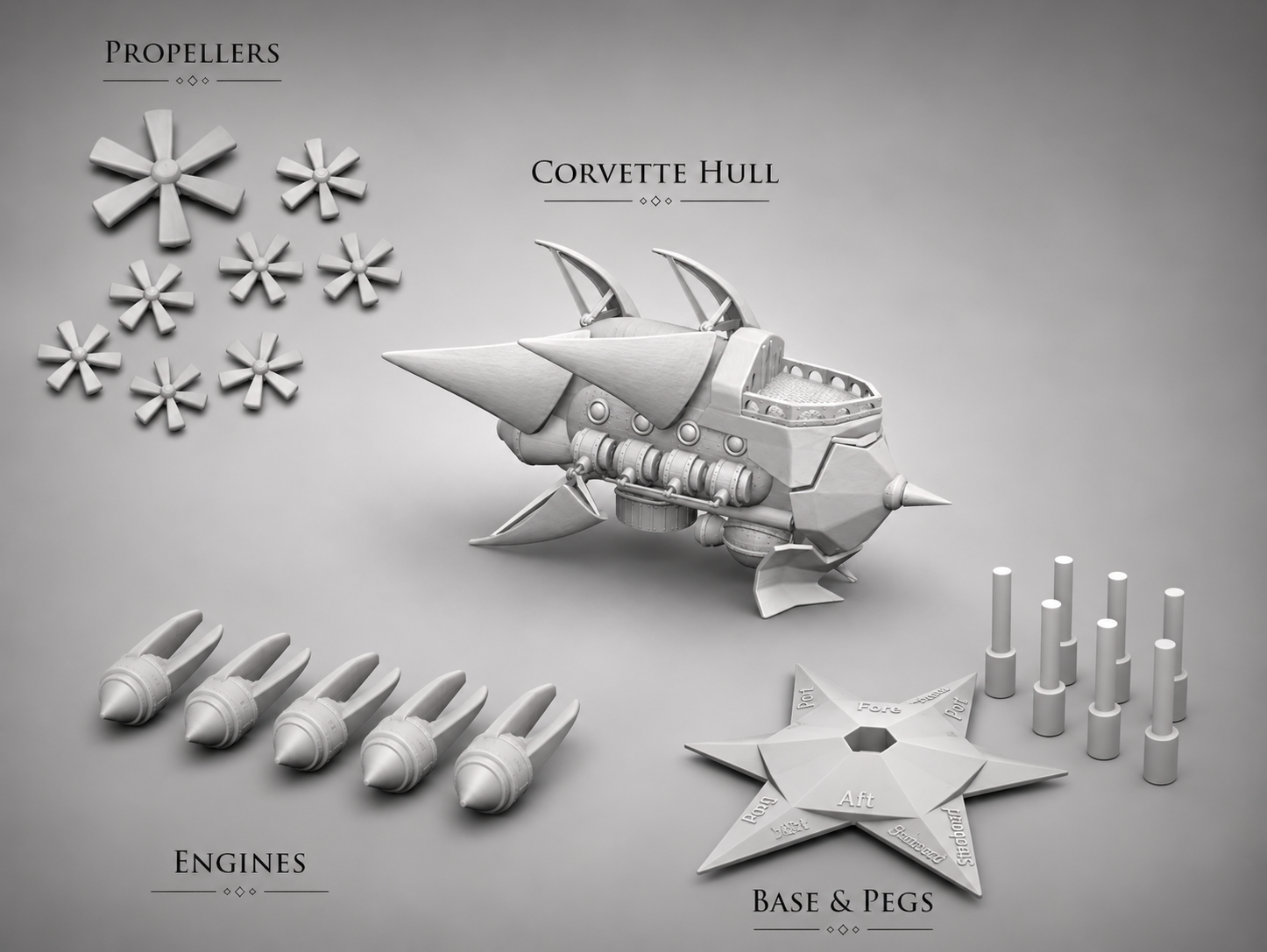
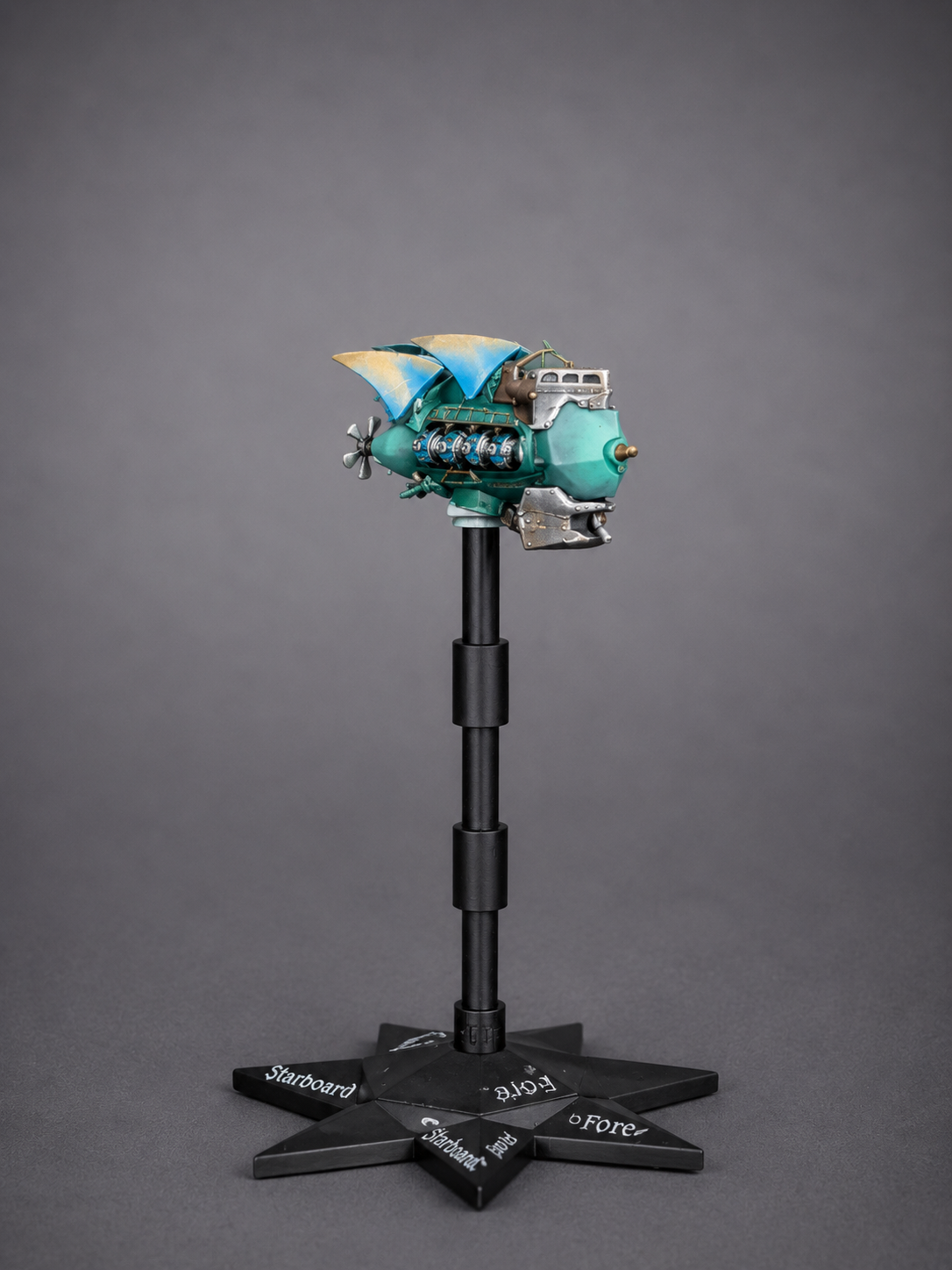
A hardy little hull, the Austrian Corvette shrugs off hits that would cripple a lighter ship, its crew patching damage on the fly to stay in the fight a little longer than anyone expects.
Designed for Airships & Empires tabletop battles and equally suited for collectors, painters, and display, this durable, high-detail resin miniature kit includes the complete Austrian Empire Corvette (approximately 5 cm in length), display stand, altitude pegs, and all components needed for minor customization if desired. Supplied unpainted.
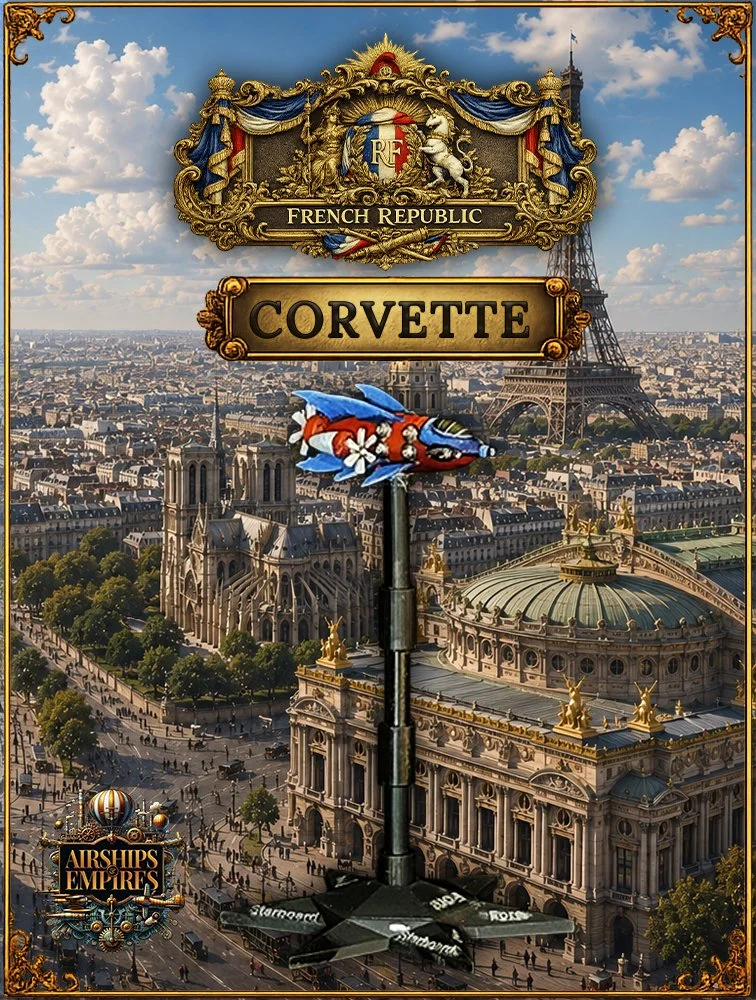
A quick, agile hull, the French Corvette darts through altitude bands, always a level away from where the enemy is aiming. Liberté, Égalité, Fraternité.
The Prussian Empire approaches aerial combat through structured command and deliberate adjustment. Prussian commanders begin with a clear distribution of effort, then reshape that distribution as the engagement develops. Resources are not locked into a single purpose, movement can give way to concentrated fire, defense can harden when needed, and momentum can shift at a chosen moment. At the decisive point, Prussian leadership and their trained crew can quickly adjust their initial orders, reshaping their plans as the battle suddenly changes course.
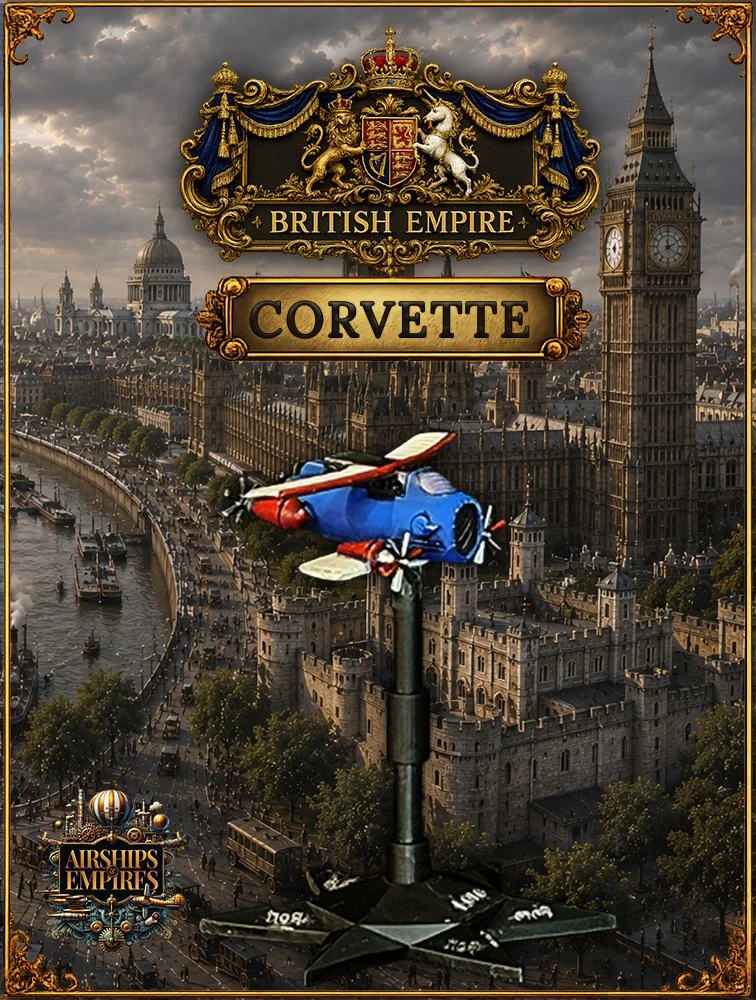
A lean, fast-moving hull, the British Corvette darts to where discipline can turn a single well-placed shot into an outsized result.
The French Republic
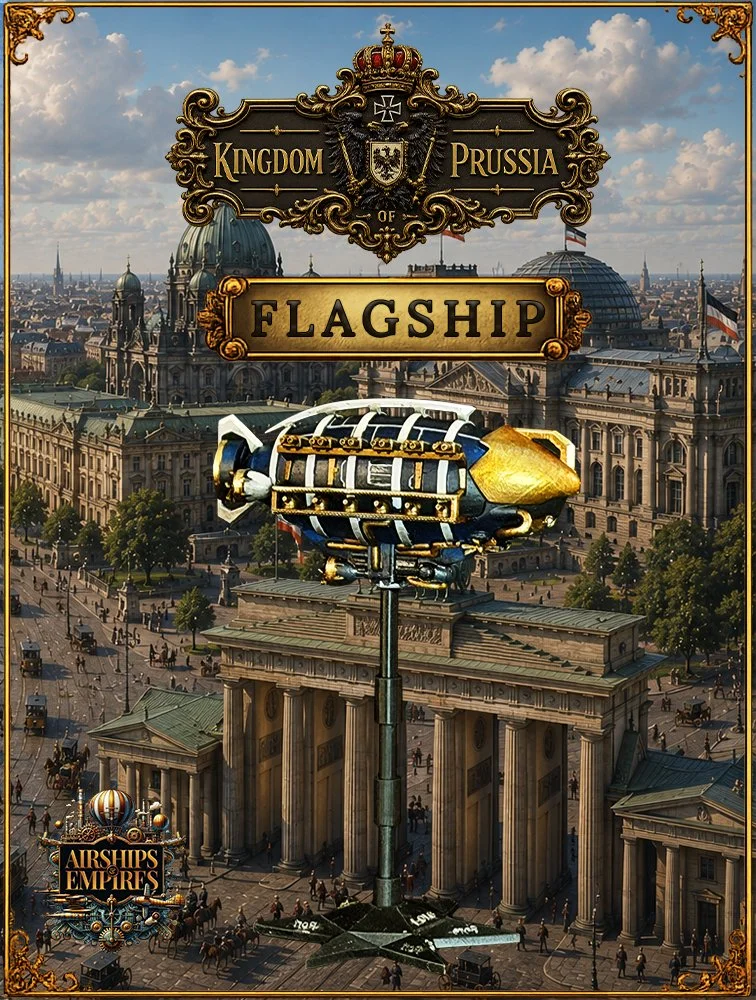
A commanding hull of structured discipline, the Prussian Flagship holds its resources in reserve, ready to redirect its full command the instant the battle turns.
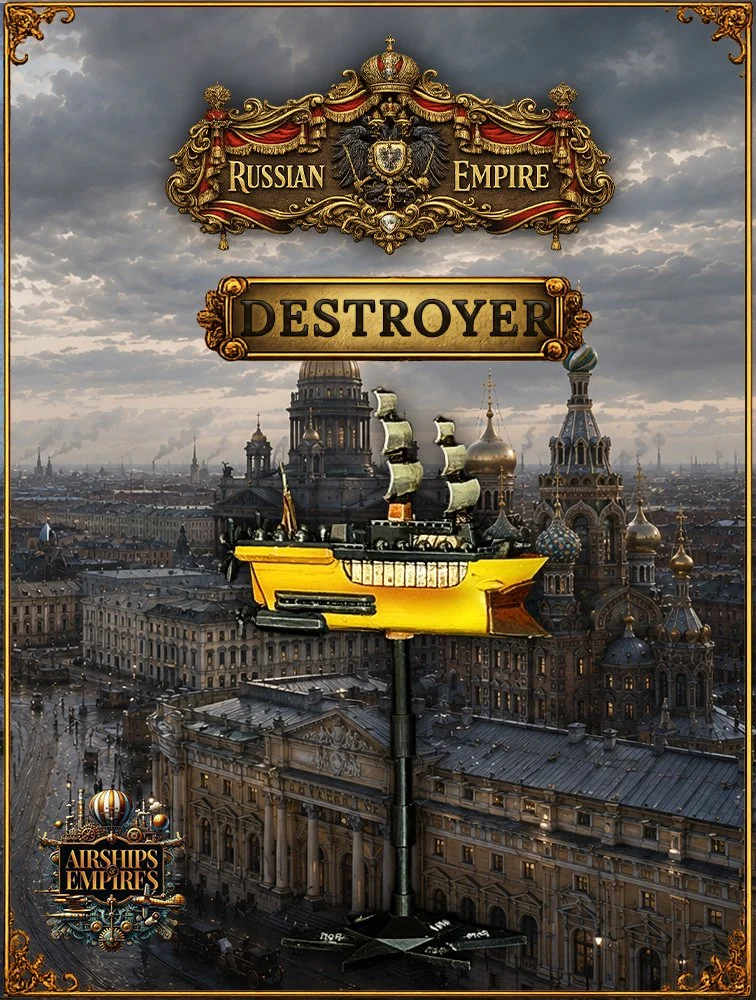
A powerful, hardened hull, the Russian Destroyer takes the hit and keeps advancing, its crew expecting punishment and refusing to let it break momentum.
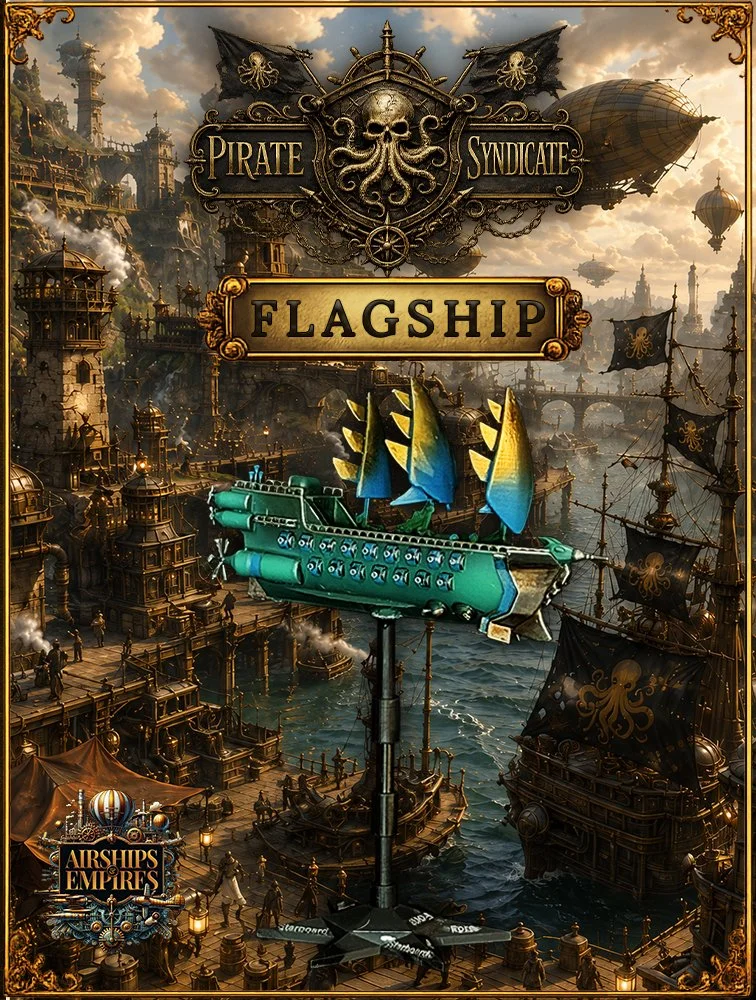
A hull acquired by whatever means got results, the Pirate Flagship commands a fleet built on leverage, striking where hesitation gives it the opening.
The French Republic approaches aerial combat as a struggle for height, angle, and momentum. French commanders seek to control elevation early, knowing that position above or below an opponent shapes every exchange that follows. Their formations rarely hold a fixed level for long, climbing to dominate the sky, dropping to break targeting lines, and shifting altitude to open new firing lanes. When the timing feels right, a French vessel commits with decisive motion to take the advantage or escape damage. French air power gets its confidence through riding the currents and knowing how to shape them to its advantage.
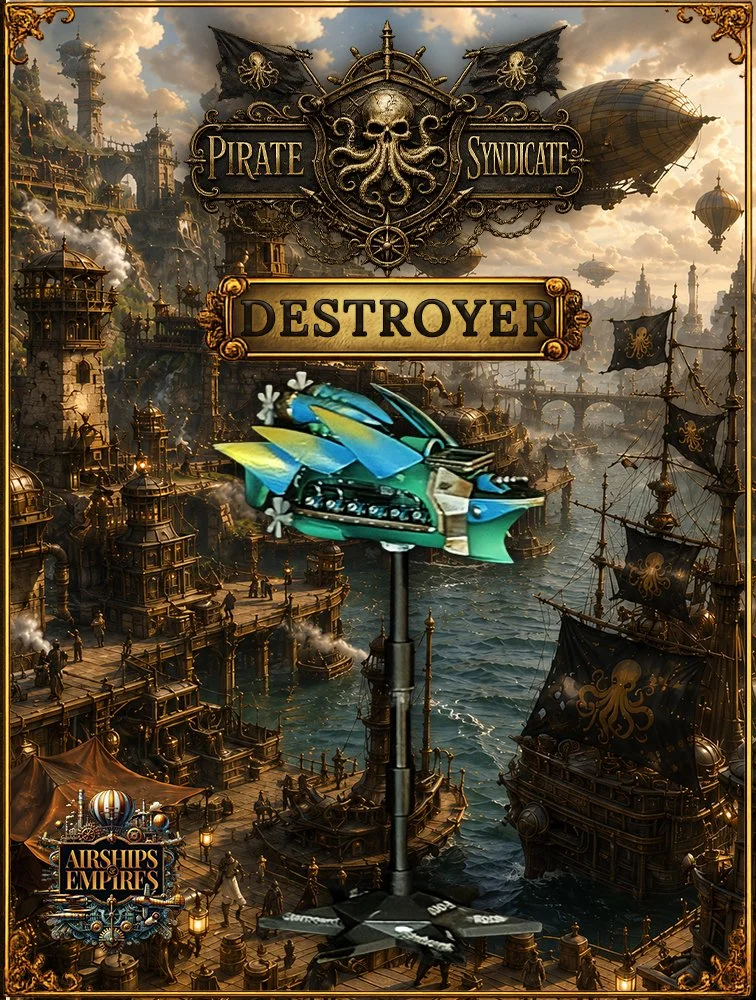
A powerful, unconventional hull, the Pirate Destroyer disrupts and outmaneuvers, trusting instinct and timing over doctrine to seize the advantage.
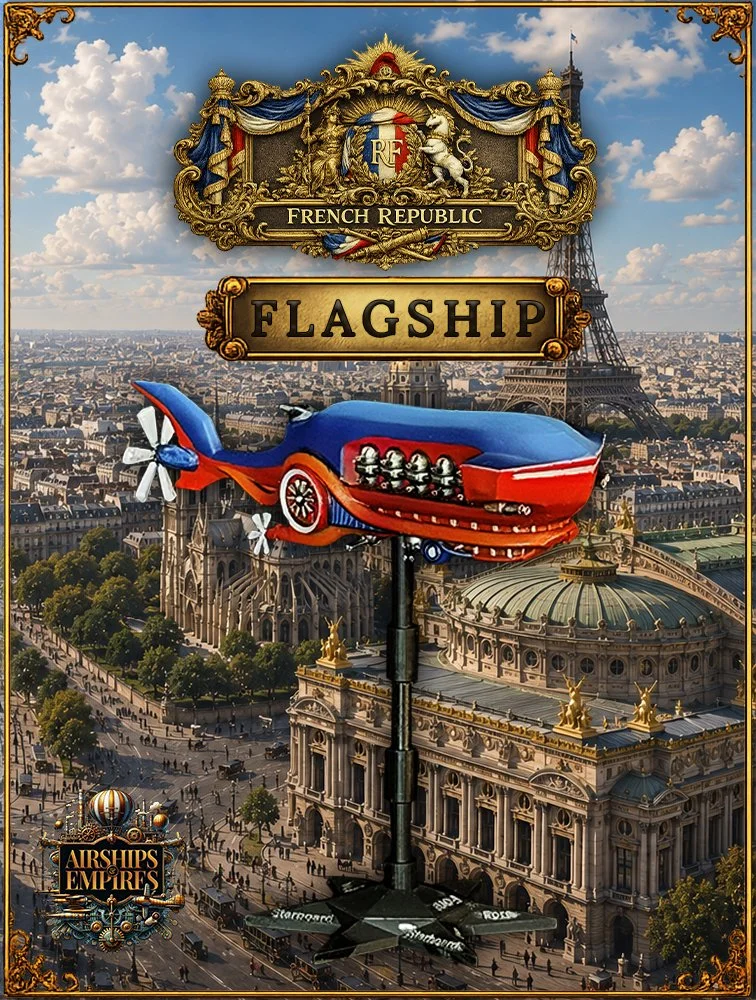
A commanding presence in the sky, the French Flagship claims the high ground first, shifting altitude to dictate the terms of every engagement below it.

A powerful hull built for vertical dominance, the French Destroyer climbs and drops with purpose, opening firing lanes that lesser ships never see coming.
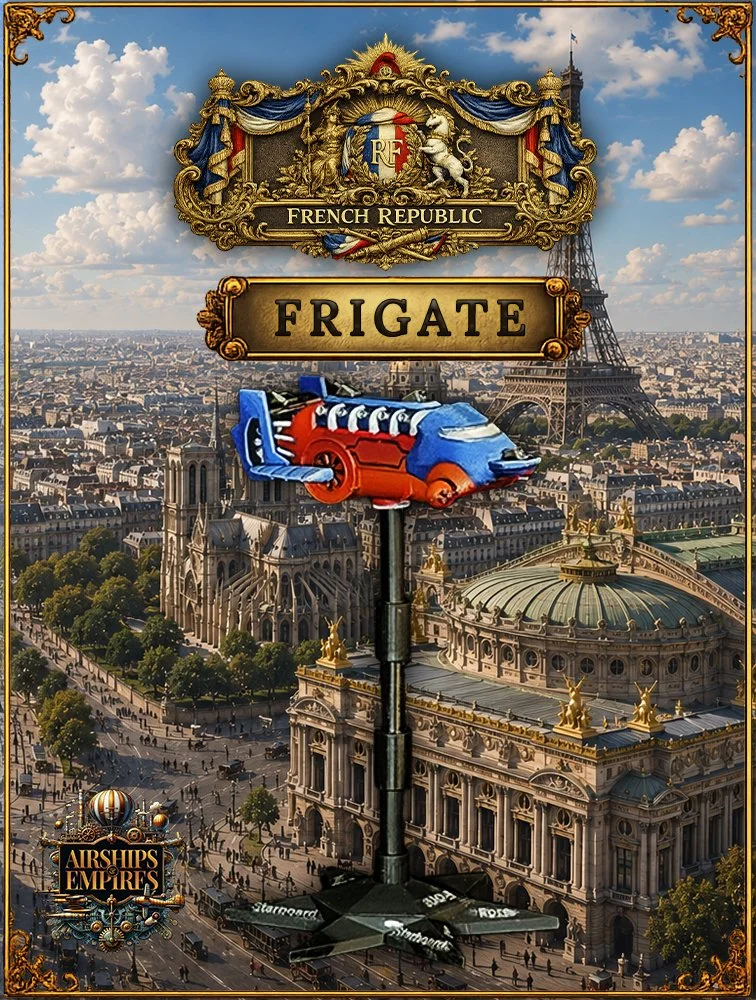
A nimble mid-weight hull, the French Frigate rides the currents of battle, shifting elevation to break targeting lines and strike from an angle no one expected.